How Much Do Roof Repairs Cost in 2026?
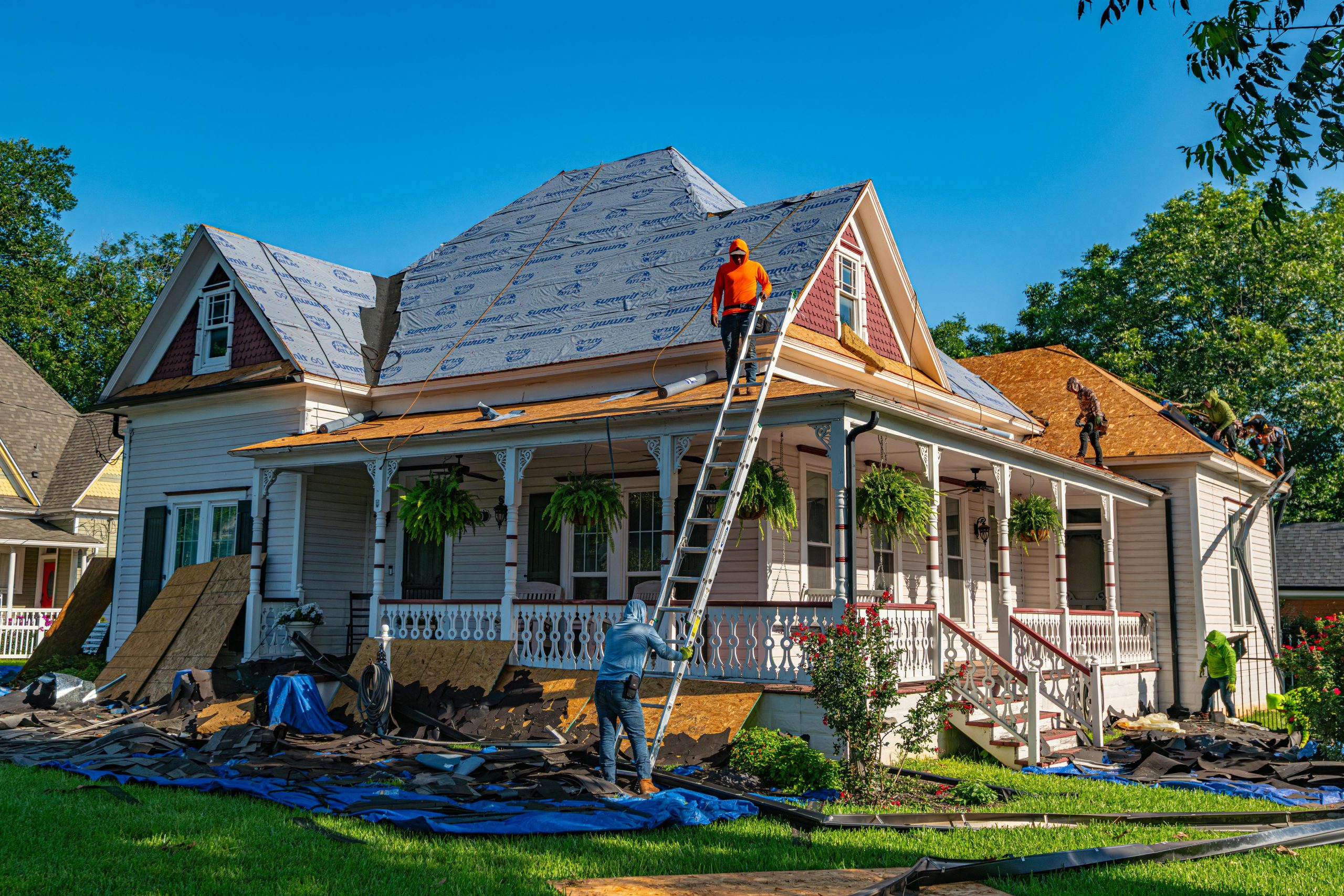
Roof repair prices in 2026 sit in an awkward place for homeowners. Material costs are still higher than many people expect, skilled labor is tight in a lot of markets, and insurance carriers have become more selective about what they will cover and what they will call deferred maintenance. That means the old habit of asking a neighbor, “What did you pay?” does not get you very far anymore.
A small repair can still be modest. A loose shingle, a popped nail, a short section of lifted flashing, or a minor leak around a vent boot may cost a few hundred dollars if caught early. Once water gets under the roofing system or the problem sits long enough to damage decking, underlayment, insulation, drywall, or framing, the bill changes fast. A repair that starts at $450 can turn into $2,500 without much drama, and a neglected issue can push into partial replacement territory.
For most homeowners in 2026, a practical budgeting range for roof repairs is about $300 to $1,800 for common fixes, with more involved work often landing between $2,000 and $7,500. There are outliers in both directions. A quick service call for a small sealant repair may come in under $250 in some areas, while slate, tile, copper flashing, structural rot, or emergency storm response can go far higher. The roof type, slope, accessibility, local labor market, and the contractor’s diagnosis matter more than any national average.
The numbers that matter most
The broad range is useful, but homeowners usually want to know what they are likely to pay for a real problem, not a statistical blend of every roofing issue in the country. In day-to-day residential work, repair prices tend to cluster by problem type.
Minor shingle repairs often run around $300 to $900. That covers replacing a small patch of missing or torn asphalt shingles, securing lifted tabs, resealing exposed fasteners, and checking nearby vulnerable points. If the roofer finds soft decking underneath, expect the price to rise because the repair shifts from surface work to substrate repair.
Flashing repairs typically cost $400 to $1,500. Chimneys, skylights, wall intersections, valleys, and vent penetrations are where many leaks begin. Flashing work is detail-heavy and often takes longer than homeowners assume. The leak itself may look tiny on a ceiling stain, but tracing its path through the roof assembly can take time.
Leak repairs with interior symptoms often land between $500 and $2,500. That is because the contractor is not just fixing the hole. They are locating the source, removing enough roofing to inspect the area, replacing any compromised underlayment, and making sure the patch ties into the surrounding system correctly. If insulation, drywall, or paint work is needed inside the house, that is usually separate.
Flat and low-slope roof repairs can range from $500 to $3,000 or more, depending on membrane type and ponding conditions. TPO, modified bitumen, EPDM, and built-up roofs each have their own repair methods. Some can be patched cleanly. Others require larger sections to be addressed because the issue is tied to seams, drainage, or substrate moisture.
Tile, slate, wood shake, and metal roofs usually cost more to repair than standard asphalt shingle roofs. The materials are pricier, the workmanship is more specialized, and matching existing roofing can be difficult. A basic slate repair that looks minor from the ground can easily run over $1,000 simply because of access, fragility, and the time involved.
Why 2026 pricing feels higher than expected
Homeowners often compare a 2026 estimate to what they paid five or ten years ago and assume the contractor is padding the quote. Sometimes the real answer is simpler. Roofing has become more expensive across the board.
Material pricing remains elevated, especially for products tied to petroleum, metal fabrication, and freight. Even when base shingle bundles are stable, the accessories that make a repair complete, underlayment, ice and water shield, flashing metal, sealants, pipe boots, starter courses, ridge materials, can push the total higher.
Labor is the bigger driver in many regions. Reliable roof repair crews are harder to keep booked for small jobs because full replacements are more profitable and easier to schedule. Repairs are fussy. They require troubleshooting, setup, careful removal, matching, and cleanup, often for a much smaller invoice than a reroof. That means the service call minimum in 2026 is doing more work in the final price than people realize.
Insurance changes also play a part. Carriers increasingly distinguish between sudden storm damage and wear-related issues. If a roof is older, poorly ventilated, or shows deferred maintenance, homeowners may be paying out of pocket for repairs that they once assumed would be covered. In some storm-prone states, this has changed how people approach roof maintenance entirely.
What actually drives the cost of Roof Repairs
The phrase “roof repair” sounds singular, but it covers a huge range of work. Two homes with the same leak symptom may receive very different estimates because the hidden conditions are different.
Pitch and access matter immediately. A one-story ranch with a walkable 5/12 roof is cheaper to service than a three-story house with a steep cut-up roof and delicate landscaping below. Safety setup, ladder placement, harnessing, and labor pace all affect cost.
Roofing material matters next. Asphalt shingles are the most common and generally the least expensive to repair. Architectural shingles cost a bit more than basic three-tab in both material and matching effort. Metal can be straightforward or maddening depending on panel profile and fastener system. Tile and slate need experienced hands. Cedar shakes can involve custom fitting and careful moisture management.
Extent of damage is where estimates separate sharply. A few wind-lifted shingles are one thing. Water intrusion that has rotted decking around a chimney cricket is another. If the deck flexes underfoot, or if mold and staining suggest a long-term leak, the repair becomes invasive. That means more tear-off, more replacement material, more labor, and often more uncertainty until the area is opened up.
Matching is its own hidden cost. On an older roof, the exact shingle color may no longer exist. The contractor may need to blend a repair area, source compatible materials, or explain that the patch will remain visible even if it is technically sound. Good roofers spend time trying to make a repair disappear, and that time has value.
Permitting is usually modest for repair work, but local rules vary. Some municipalities require permits once decking replacement exceeds a threshold or when structural components are involved. Historic districts and HOA rules can add another layer.
Emergency timing also raises the price. A planned repair scheduled on a dry week in spring is cheaper than a tarp-and-stabilize visit during a weekend thunderstorm. After a major hail or wind event, local demand surges, and rates often follow.
Typical repair costs by problem type
The clearest way to understand roof repair pricing is to look at the problems homeowners actually call about.
| Repair type | Common 2026 cost range | | --- | --- | | Small asphalt shingle patch | $300 to $900 Roof Repairs | | Flashing repair around chimney or wall | $400 to $1,500 | | Pipe boot or vent penetration repair | $250 to $800 | | Moderate leak repair with minor decking work | $800 to $2,500 | | Valley repair | $700 to $2,000 | | Skylight leak repair or reflashing | $600 to $2,500 | | Flat roof membrane patch | $500 to $1,500 | | Flat roof seam or drainage repair | $1,000 to $3,000 | | Tile or slate repair | $700 to $3,500+ | | Emergency tarping and temporary weatherproofing | $250 to $1,200 |
Those numbers assume a professional contractor doing insured work with standard overhead. They do not include broader interior restoration unless specifically noted, and they can swing higher in expensive metro areas or on complex homes.
One of the more common misconceptions is that a “small leak” always means a small invoice. Roof leaks rarely travel in straight lines. Water enters at one point, runs along decking or framing, then appears somewhere else indoors. I have seen a stain over a guest bedroom window that traced back to failed step flashing more than ten feet uphill near a sidewall. The patch itself was not large, but the diagnostic time and careful tear-back made it a real repair, not a quick caulk job.
Asphalt shingles versus metal, tile, and flat roofs
Asphalt shingle roofs remain the most affordable to repair for one basic reason: parts are easy to work with, and most roofing crews know the system well. That does not mean every asphalt repair is cheap. A brittle older shingle roof can crack when disturbed, and layered repairs on an aging roof are rarely as simple as they look.
Metal roofing sits in a middle ground. Exposed-fastener systems on outbuildings or simpler homes can be straightforward to service if the issue is washer failure, loose fasteners, or isolated panel damage. Standing seam systems are more specialized. Roof penetrations, movement allowances, panel matching, and trim details make a big difference. A poor patch on metal often causes new problems later.
Tile and slate carry the highest repair variability. Sometimes a cracked tile or slipped slate is routine. Sometimes the challenge is finding matching units, accessing the area without breaking adjacent pieces, and correcting the original installation detail that caused the issue. Homeowners with these roofs should expect to pay more for expertise, and it is usually money well spent.
Flat and low-slope roofs deserve special caution. Many leaks come from drainage issues, seam failures, punctures, or flashing transitions, not just a visible hole. A patch can solve the immediate symptom, but if water ponds regularly, the repair may not last. That is why honest contractors sometimes propose a larger corrective repair than the owner expects.
Small repair or sign of a larger problem?
One of the hardest calls in roofing is deciding when to repair and when to stop sinking money into an aging system. There is no universal answer, but there are clear warning signs.
If the roof is relatively young, broadly in good shape, and the issue is isolated, a repair usually makes financial sense. This is especially true when storm damage is confined to one section or when a flashing detail has failed before the shingles have reached end of life.
If the roof is near the end of its service life, has repeated leaks, widespread granule loss, curling shingles, brittle tabs, chronic ventilation problems, or multiple prior patches, repair work becomes less economical. Homeowners sometimes spend $1,200 here, $900 there, and $1,500 again next season, only to replace the entire roof a year later. That is not always wasteful, especially if you need time to budget, but it should be a deliberate choice.
A roofer who says, “I can repair it, but I don’t think it’s the best use of your money,” is often giving you the kind of guidance you actually want. The best contractors know the difference between a repairable defect and a roof that is simply tired.
What insurance may, and may not, pay for
Insurance is where expectations and reality often collide. If a storm tore off shingles, dented metal, or caused sudden damage from wind or hail, there may be a viable claim. If the leak came from age, poor maintenance, or long-term deterioration, many policies will not help.
Insurers also scrutinize interior damage differently from roof surface damage. You may have coverage for resulting water damage, limited coverage, or exclusions depending on policy language and the cause of loss. Deductibles matter too. A $1,100 repair on a policy with a high deductible may be entirely out of pocket.
Documentation helps. Good photos, weather dates, and prompt contractor inspection can make a real difference. So can understanding whether your policy pays replacement cost or actual cash value on older roofs. Homeowners are often surprised to learn that two neighbors with similar damage can receive very different claim outcomes because their policies differ.
The estimate itself, what separates a solid quote from a weak one
A good roof repair estimate is specific. It identifies the suspected source of the issue, describes the repair method, notes what materials will be used, explains whether decking replacement is included or billed as needed, and states what warranty, if any, applies to the repair.
A vague quote that simply says “repair leak” for a lump sum is not very useful. Roof leaks can be deceptive, and some uncertainty is normal, but the estimate should still tell you what the contractor plans to do and what could change the price once the roof is opened.
Here is what I would want to see before approving a repair:
- A written scope describing the affected area and the intended fix.
- Clear pricing for any potential add-ons, especially decking replacement.
- Proof of license and insurance where required.
- A realistic statement about material matching and cosmetic expectations.
- Repair warranty terms in plain language.
That short checklist prevents many of the disputes homeowners run into later. It also reveals whether the contractor repairs roofs regularly or mostly treats repairs as filler between replacements.
Regional differences are real
A homeowner in a small Midwestern market and a homeowner in coastal California may both need chimney flashing repaired, but they will not see the same price. Labor burden, permitting, insurance costs for contractors, disposal fees, and travel time all vary by region. Storm-prone states often have higher demand spikes and tighter scheduling after severe weather. Dense urban areas bring parking, access, and setup complications that suburban homes do not.
Climate changes the kind of repairs that show up, too. In snow regions, ice dam damage, freeze-thaw flashing failures, and attic ventilation issues are common cost drivers. In hot, humid regions, sealant failure, underlayment deterioration, and storm-blown shingle damage may dominate. Coastal homes contend with salt exposure, wind uplift, and corrosion, which can make even small metal component replacements more expensive.
The cheapest bid is often expensive later
Roof Repairs invite low-bid thinking because the homeowner is trying to solve an immediate problem, not start a major project. That is understandable, but it is risky. Repairs done with excessive caulk, mismatched materials, or shortcuts around flashing details rarely hold up. They also make the next contractor’s job harder.
One of the most expensive outcomes is the “temporary” patch that buys six months while water continues moving under the roofing system. By the time the ceiling stains return, the hidden damage has grown. Paying more for a methodical repair from a reputable roofer often costs less over a two- or three-year span than paying the absolute minimum today.
This is especially true around chimneys, skylights, and sidewalls. Those locations fail because the water management details are wrong, not because they need another bead of sealant on the surface.
How to keep repair costs from snowballing
The least expensive roof repair is usually the one you catch before interior damage begins. Homeowners do not need to climb onto the roof to stay ahead of problems. A few habits make a real difference.
After major wind or hail, look for obvious signs from the ground, missing shingles, displaced ridge caps, bent flashing, branches on the roof, or debris in valleys. Inside the house, pay attention to small stains in attic spaces, around vent pipes, near chimneys, or at ceiling corners. Gutters also tell a story. Excessive shingle granules, metal fragments, or pieces of tile are worth checking out.
This is one place where restraint helps. A quick call for an inspection after a storm is cheaper than waiting to see if the brown spot on the ceiling “gets worse.” Once drywall is involved, the repair stops being just roofing.
When replacing the roof makes more sense
There comes a point where repeated repairs stop being practical. If the roof is at or near the end of its expected life, if many areas show wear, or if underlying components are failing, replacement can be the more economical path even when the immediate leak is technically repairable.
That does not mean every older roof needs to be replaced after its first problem. It means you should compare the repair cost against the likely remaining life and the chance of additional failures. Spending $2,800 to stabilize a fourteen-year-old architectural shingle roof may be reasonable in one market and questionable in another. Spending $4,500 on complex repairs to a badly worn twenty-four-year-old roof is a different calculation.
A candid contractor should be able to walk you through that judgment without pushing. The right answer depends on age, condition, budget, sale plans, insurance constraints, and how long you expect to stay in the house.
A realistic budget for 2026
If you own a typical home with an asphalt shingle roof, budgeting around $500 to $1,500 for a moderate repair is sensible in 2026. If your roof is steep, high, premium material, storm-damaged, or leaking around complex details like skylights or chimneys, having $2,000 to $4,000 available is safer. Owners of tile, slate, cedar, or specialty metal roofs should expect a wider and higher range.
The key is not finding a universal national average. It is understanding the kind of problem you have, how far it has spread, and whether the quote addresses the cause rather than just the symptom. Roof Repairs cost what they cost because they sit at the intersection of weather exposure, skilled labor, and hidden conditions. Once you see that clearly, the estimates start to make more sense.
If there is one practical takeaway for 2026, it is this: act early, ask for a specific scope, and treat roof leaks as active building-envelope problems, not cosmetic annoyances. That is how you keep a repair from becoming a replacement before you are ready.
Royalty Exteriors
151 NJ-10 Suite 103A
Succasunna, NJ 07876, United States
+1 973-333-7234
FAQ About Roof Repairs
Can you fix a roof leak without replacing the whole roof in Succasunna,NJ?
Often, a localized leak can be repaired without replacing the entire roof, depending on its cause and the condition of the surrounding materials. Damaged shingles, flashing, or a roof penetration may need targeted work. Royalty Exteriors offers roof repairs for leaks, storm damage, and shingle issues. An inspection is needed to determine the appropriate scope.
What is considered a minor roof leak?
A leak may be considered minor when the damage is limited to a small area and the surrounding roofing remains sound. A small ceiling stain alone does not establish the extent of the problem because water can travel before becoming visible. Have the source and any concealed damage assessed promptly.
Is it better to repair or replace a leaky roof?
The decision depends on the roof's age, overall condition, leak source, extent of damage, and history of previous repairs. A localized problem on an otherwise serviceable roof may be suitable for repair. Widespread deterioration or recurring leaks may justify considering replacement. Ask for an inspection and a written explanation of the recommended work before deciding.